*Content created and provided by Smart Travel News
Ensuring that a single action by a guest on their device automatically triggers housekeeping, maintenance tasks or security alerts is key to operational efficiency today. We explore how specialised tools are transforming communication between front-desk and operational teams. We also examine cost-reduction metrics and the value of driving innovation within the traveltech ecosystem.
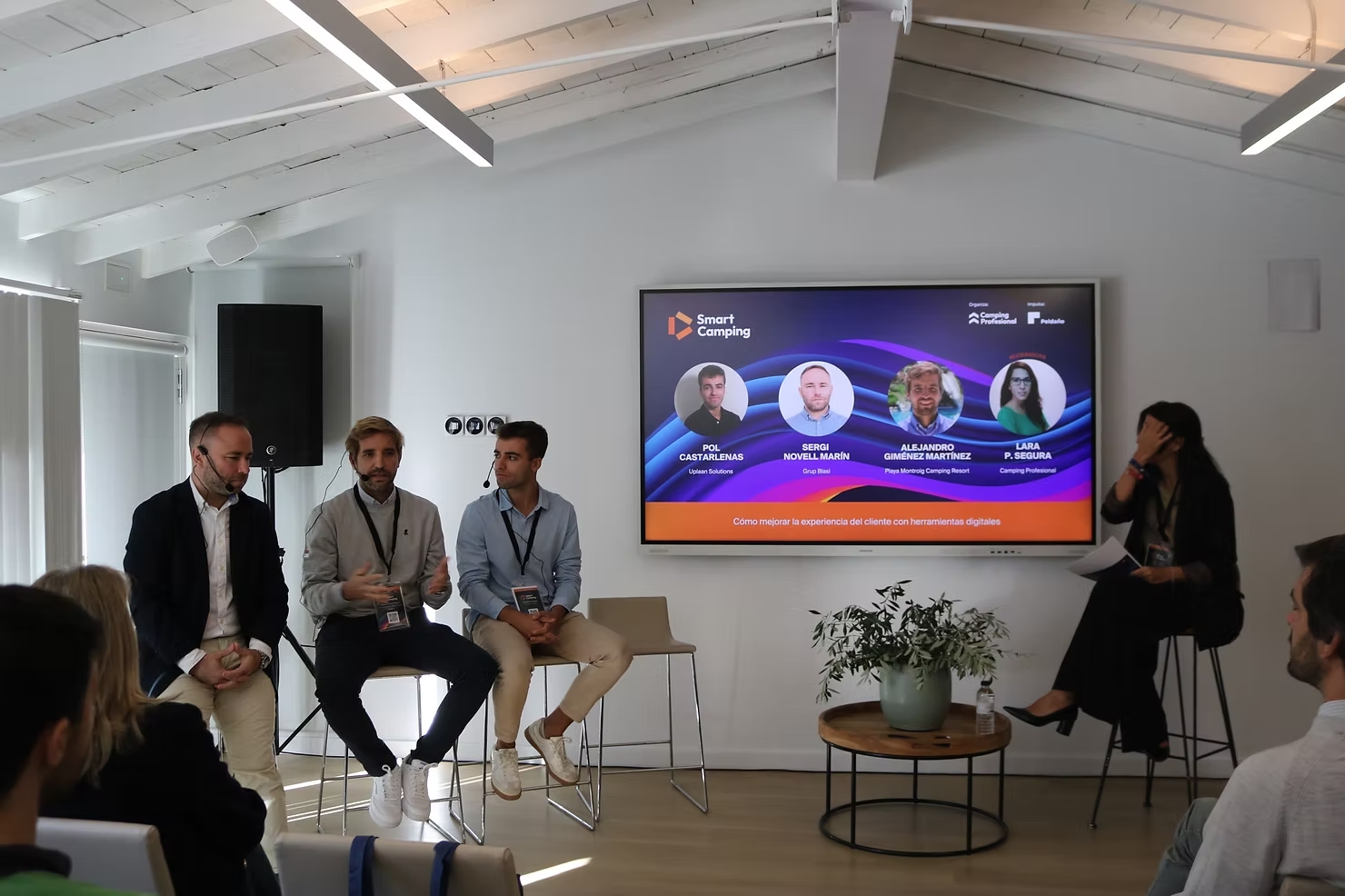
To explore this field in greater depth, we interviewed Pol Castarlenas, partner and Sales Director at Uplaan, one of the more than 150 members of the Tech Tourism Cluster. The cluster brings together companies with hybrid business models combining technology and tourism, alongside stakeholders from the technology and knowledge ecosystem, including universities and research centres.
Could you briefly explain the main features of your company?
Uplaan is a technology company specialising in the digitalisation of tourism businesses, particularly campsites, resorts and hotels. Our offering combines a customised mobile app for guests with a back office that enables teams to manage different areas of their operations.
Through the app, guests can browse and book services, reserve activities, access events or make purchases. At the same time, these actions can automatically trigger the internal processes required for teams to manage them.
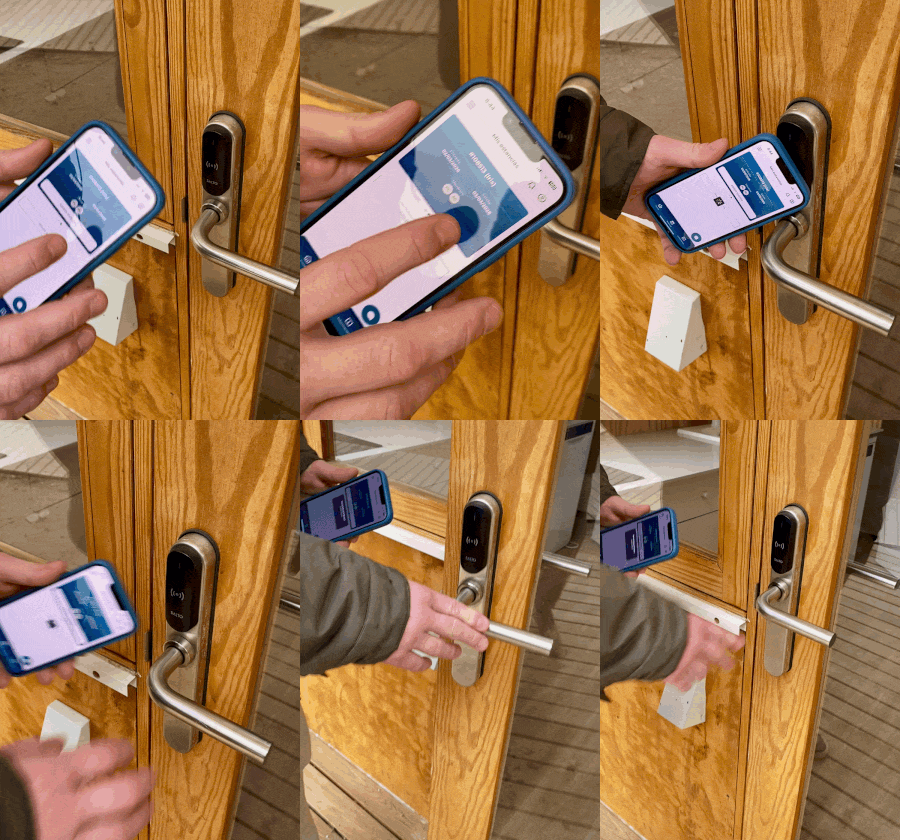
Another key feature is our ability to integrate with the technology ecosystem already used by each property. We currently work and collaborate with different PMS platforms, as well as other integrations with laundry service providers, smart locks, Wi-Fi, water refill solutions, external activities and more.
Our goal is to use technology to improve both the guest experience and the efficiency of the teams working behind the scenes.
How does Uplaan strike a balance between the guest’s digital experience (purchases, bookings and events) and genuinely simplifying a business’s internal operations?
For us, these two aspects are directly connected. It is not simply about transferring processes previously handled at reception to an app, but about ensuring that guest actions automatically trigger the necessary internal processes.
One example is housekeeping: we can automatically generate tasks based on check-in or check-out and connect accommodation cleaning statuses to the PMS, generating alerts and notifications for staff.
We can also connect Uplaan to building automation systems. For example, if a smart detector identifies smoke, an alert and a task are generated for the relevant staff member, identifying the specific accommodation concerned.
The idea is that a guest’s digital action should not end on their phone, but should automatically trigger everything needed behind the scenes.
You mention that the platform synchronises with existing booking software and can be deployed with customised configurations in just a few days. What are the main technical challenges you face when integrating your solution with the wide variety of legacy systems already used by campsites and hotels?
The main challenge is the technological diversity of the sector. Each property may use a different PMS and booking engine, as well as its own internal processes and tools.
That is why we aim to make Uplaan compatible with this ecosystem, allowing information to flow between systems without creating duplication or additional manual processes.
We are currently integrated with solutions such as Ulyses Cloud and the various systems from the SEPTEO group, Camping.care, SGS and others. Typically, a project can be up and running within approximately two to three weeks.
Furthermore, most of the implementation process involves configuring and adapting the platform. Custom development is reserved for specific requirements or bespoke functionalities.
In addition to guest-facing features, Uplaan includes dedicated modules for managing tasks, incidents and employee workflows. How has this tool transformed efficiency and communication between housekeeping, maintenance and front-desk teams?
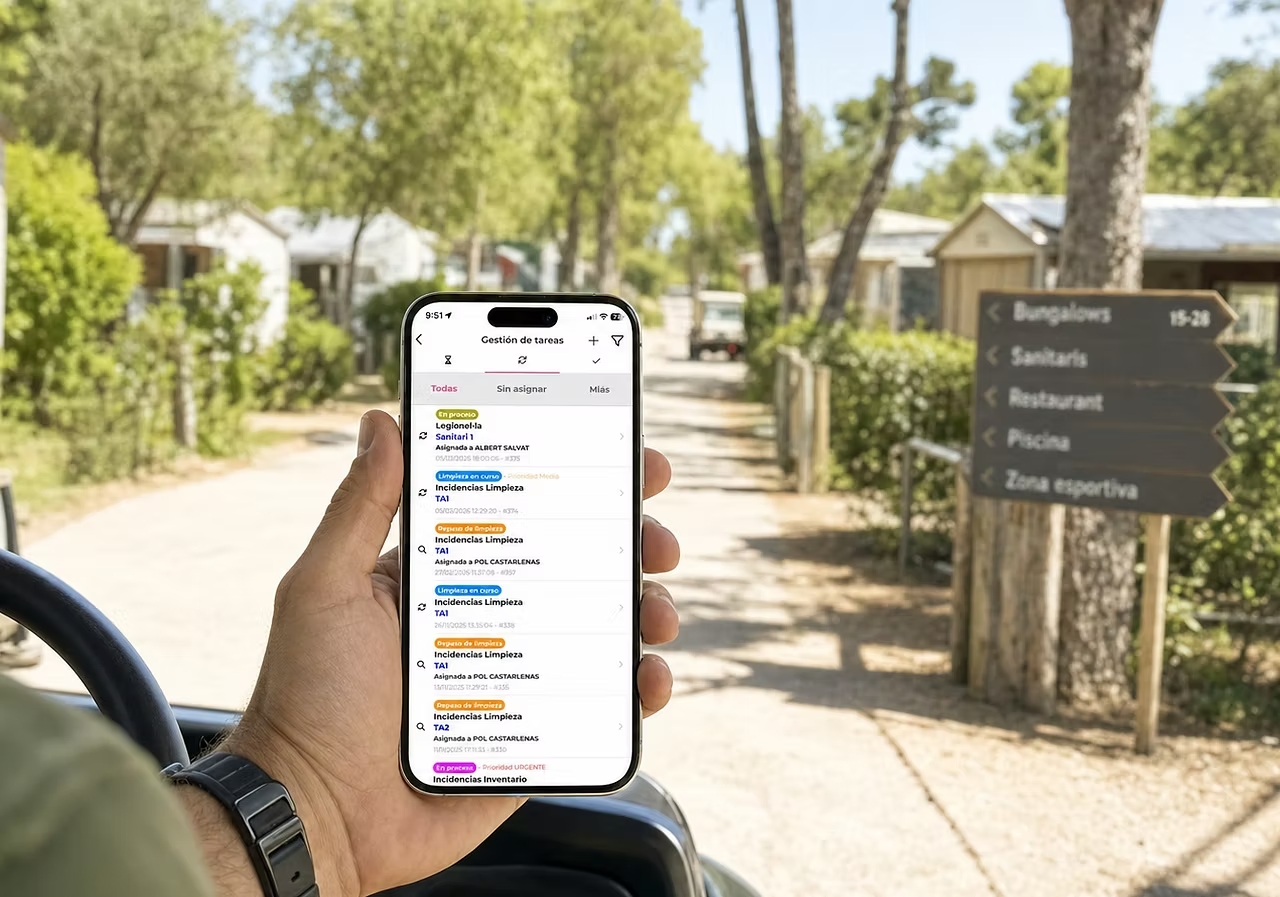
The main change is moving away from management based on scattered, manual communications towards processes in which many actions automatically trigger the next step.
For example, cleaning statuses can be updated through the application and synchronised with the PMS, automatically generating new tasks or alerts for the relevant staff members.
This gives the front desk visibility into the status of accommodation units, while operational teams receive the tasks they need to carry out directly. It also makes it possible to structure recurring processes and centralise indicators, such as swimming pool checks or Legionella reports. The aim is not to replace communication between teams, but to make it more structured, immediate and actionable.
By centralising service catalogues, activities, event tickets and direct purchases on guests’ phones through the app, what metrics or increases have you observed in average spend per guest and cross-selling of additional products compared with traditional methods?
One of the clearest effects we have observed relates to ancillary revenue. On average, we have recorded a 22% increase in this type of revenue, driven by processes such as room service and cross-selling different services.
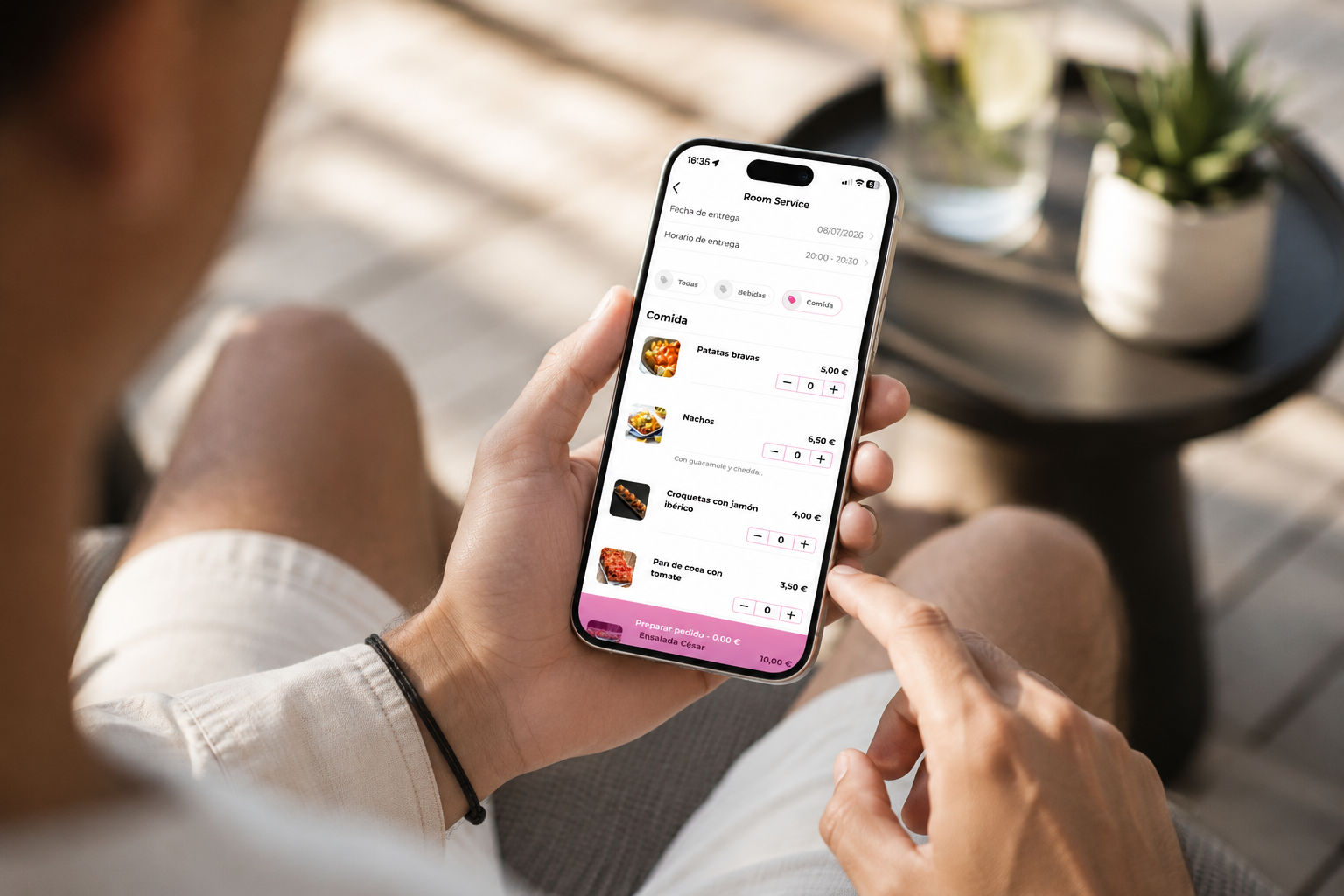
The main difference is that the offering remains available throughout the guest’s stay, and guests can book directly from their devices without having to go to reception.
We have also observed an approximate 10% reduction in operating costs, alongside a significant decrease in queues and the volume of transactions handled at reception.
Digitalisation therefore not only creates additional revenue opportunities, but also improves operational efficiency and frees front-desk staff from tasks that guests can complete independently.
You are part of a leading innovation environment, the Tech Tourism Cluster ecosystem. What synergies do you find through collaborating within this network of traveltech companies, and how does it help you scale your technology in the face of global distribution giants?
Being part of the Tech Tourism Cluster allows us to connect with companies that share many of the same challenges related to digitalisation and tourism innovation.
For Uplaan, one of the main benefits is knowledge sharing and the opportunity to identify collaboration opportunities with companies operating in different areas of the tourism value chain.
We believe that, in a sector as broad as tourism, collaboration between specialised companies makes it possible to build more comprehensive solutions tailored to the real needs of accommodation providers.
Rather than competing head-on with major global players, our approach is to know a market very well, understand its challenges and offer specialised, flexible solutions. For us, this proximity to the sector and our ability to collaborate are essential to continued growth.
Author

Member of the Research Group on Tourist Accommodation and Catering at the CETT – UB Campus. Professor of Digital Marketing. Lecturer. Member of Scientific Committees of Congresses. Foundrising, Entrepreneurship & Awards CETT Fundació – CETT. Doctor (PhD) University of Barcelona
Recent posts

02 November 2026

30 October 2026

26 October 2026

22 October 2026
Tags
-
Interviews
Subscribe
Subscribe here and stay tunned on what's next