*Content created and provided by Smart Travel News
In a sector where the digital transformation of destinations and cultural venues increasingly demands flexibility, generic solutions are giving way to proposals tailored to the needs of each territory. As part of the Tech Tourism Cluster ecosystem, Identify Travel is celebrating its first five years in business by completing a key strategic shift: moving from developing standardised products to establishing itself as a technology consultancy and digital services provider specialising in tourism and culture.
Combining strategy, design, content and technological development, Identify Travel supports accommodation providers, public administrations and cultural organisations in creating experiences that connect the digital world with in-person visits — from gamified routes and digital passports to smart signage. With a strong presence in Catalonia and significant expansion throughout 2026 into regions such as Aragon, the Valencian Community and the Canary Islands, as well as clients in Portugal and the United Kingdom, the team continues to pursue sustainable growth with a strong local focus and meaningful impact.
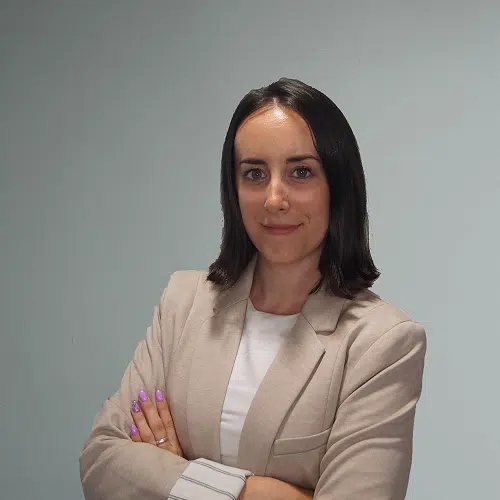
We spoke with Elena Losantos, CEO of Identify Travel, about the lessons learned from the company's evolution, the opportunities offered by heritage digitalisation, the expansion plans for its multidisciplinary team and its active role on the traveltech cluster's board.
Identify Travel is one of the more than 150 members of the Tech Tourism Cluster. Could you briefly explain the main features of your company?
At Identify Travel, we are a digital services company specialising in tourism and culture. We could describe ourselves as a technology consultancy. We combine industry knowledge, strategy, design, content and technology to develop solutions tailored to the needs of each project.
We help tourism businesses, destinations, public administrations and cultural organisations address their communication, promotion and digital transformation challenges. We design and develop projects that improve the way they provide information, connect with users, communicate services and create tourism and cultural experiences.
Our approach is based on a very clear idea: technology is a tool that should make things easier, and tourism is no exception. That is why we work from the initial needs of each project through to the design, development and implementation of the most suitable solution.
Identify Travel is celebrating its first five years in business, having evolved from a product-based company into a digital services provider specialising in tourism and culture. What key lessons from this first stage have driven this strategic shift?
There have been many lessons! We have learned from both the good times and the more challenging ones. Consistency and dedication are essential for moving forward, but so is knowing when to stop, analyse what you are doing and rethink the things that are not working as well, so you can continue growing on a stronger footing.
There is no single lesson that led us to make this change, but rather the experience we have accumulated over these five years. We have learned to listen to the industry, better understand our clients' needs, communicate our value proposition more effectively, identify new opportunities and appreciate the contributions of the professionals around us.
When you start a company, you have an idea of what you want to build, but it is your contact with the market that helps you discover where you can add the most value. In our case, we realised that the knowledge we had gained in tourism and culture, combined with our technological capabilities, allowed us to go far beyond our initial products.
I believe a company must constantly evolve, especially during its first few years. For us, this change does not mean starting from scratch, but rather making the most of everything we have learned to build a company that is better prepared, more flexible and more closely aligned with the industry's real needs.
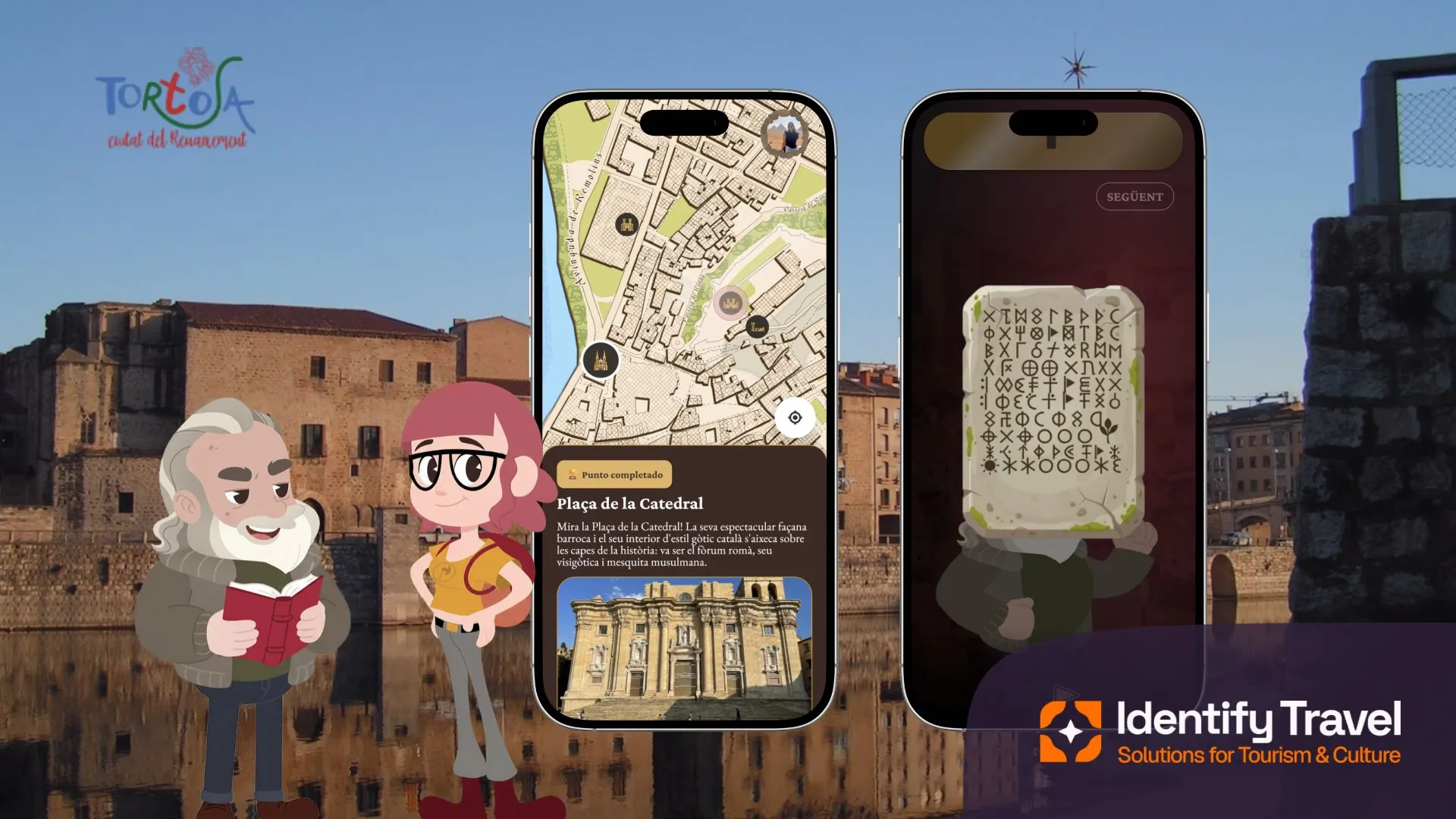
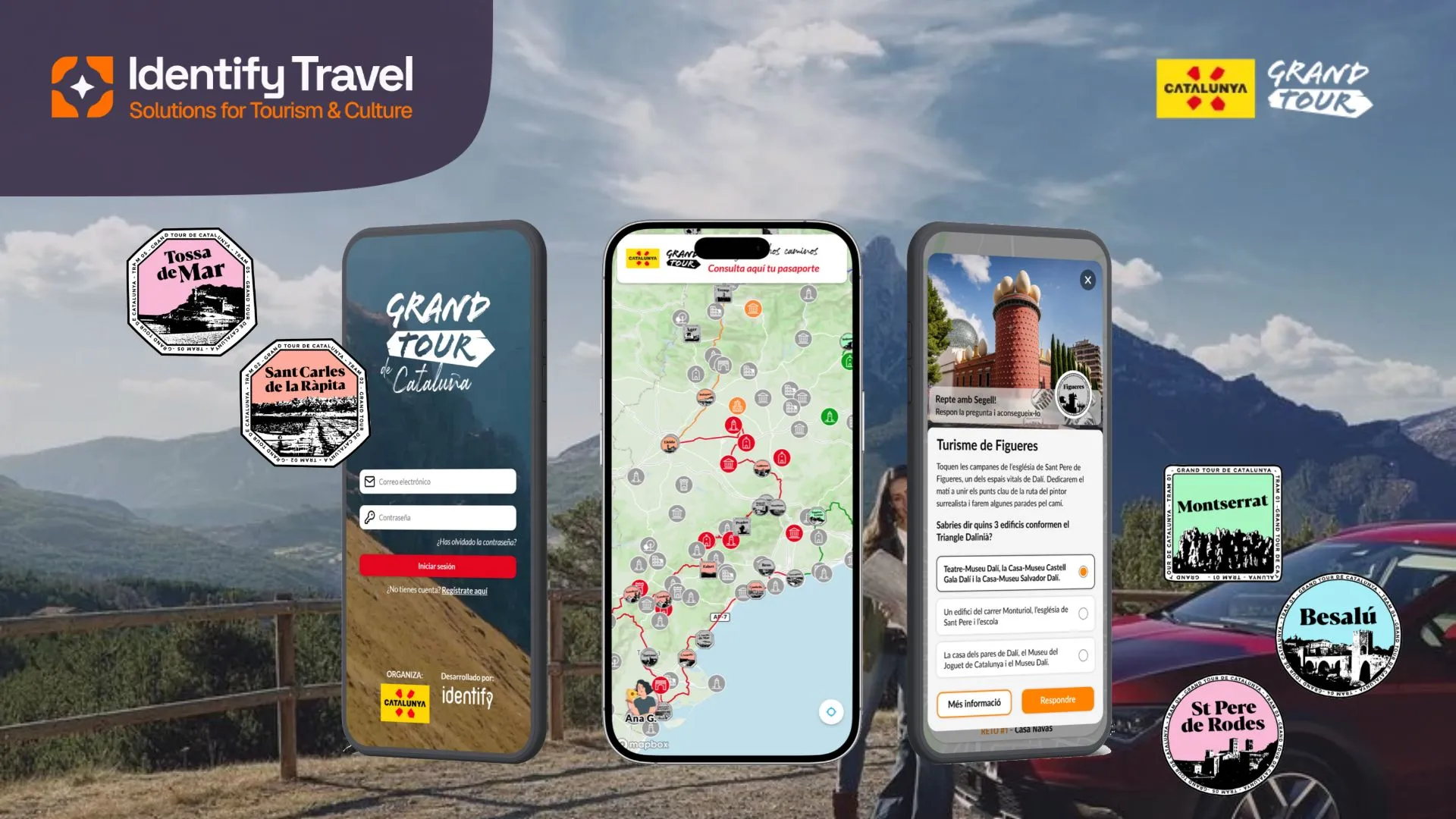
You have moved from developing your own standardised products to a model focused on bespoke projects and solutions (visitor experiences, gamified routes, digital passports, etc.). Why did you decide to move towards this personalised approach, and what advantages does it offer your clients?
This evolution stems from our desire to keep learning, innovating and finding new ways to add value to the industry. Our initial products gave us valuable experience, but we also realised that standardised solutions did not always meet all our clients' needs. Sometimes they required specific features, integration with other services or the development of something very specific that went beyond what the product could offer.
Fortunately, we are a company that can adapt quickly to the market and adopt technologies that improve both our work and the services we provide. This allows us to create almost entirely bespoke services. We now design solutions based on the objectives to be achieved, the problems to be solved and the audience that will use them. We can support businesses and public administrations throughout the entire process, from strategy to design, technological development and implementation.
This allows us to work with a wide range of organisations. We continue collaborating with accommodation providers that need digital guides with personalised content, but we also develop gamified experiences for local councils, digital passports for associations and destinations, tourist signage, audiovisual content and practical solutions for a variety of tourism and cultural projects.
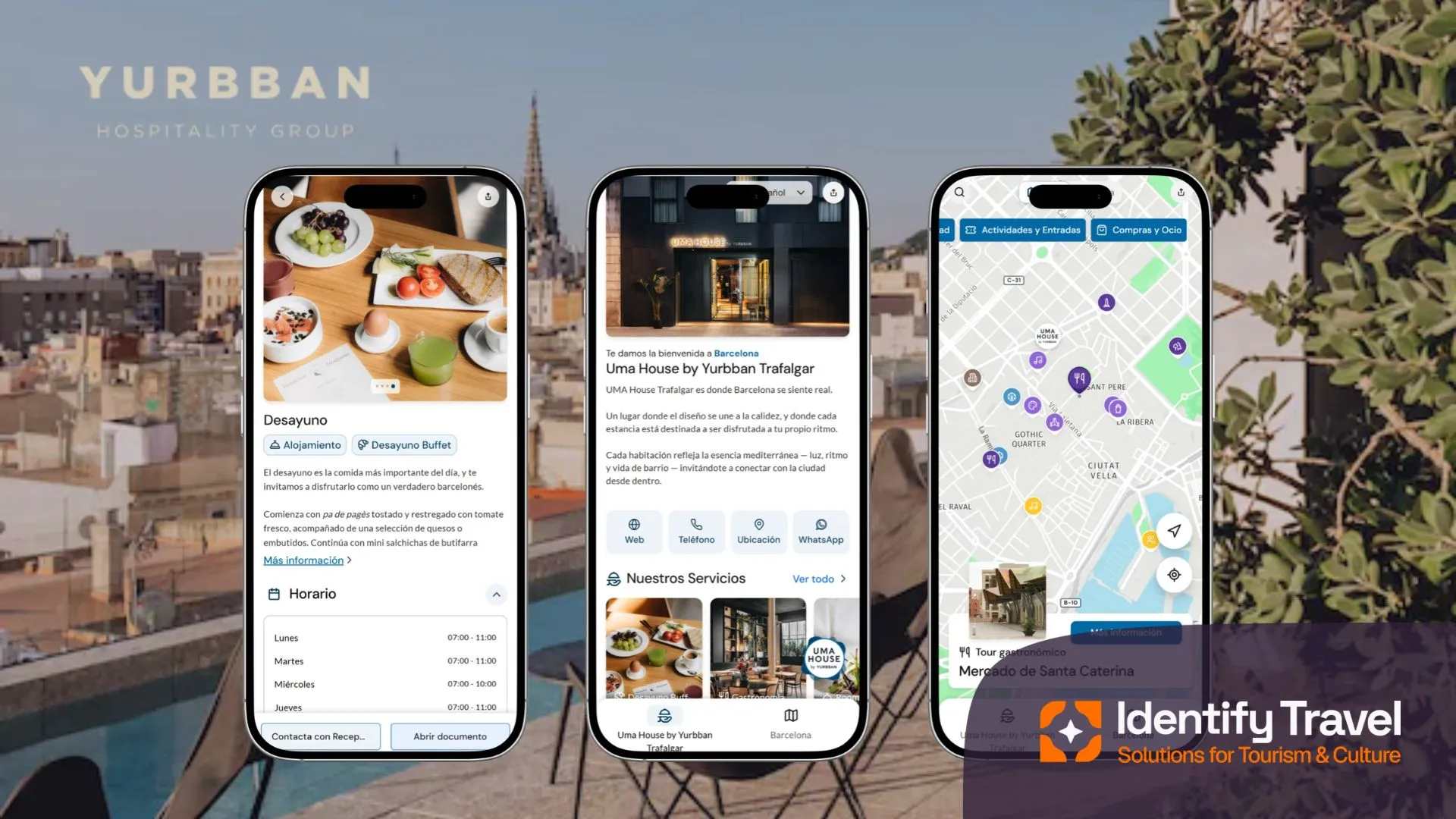
In a context where the digitalisation of the tourism and cultural sectors is advancing rapidly, what major opportunities do you see today, and how are you leveraging technology to scale and respond to the specific needs of destinations and museums?
We believe there are many opportunities, so many that there are probably some we are not even aware of yet. Artificial intelligence, geolocation and new ways of interacting with content are opening up opportunities to improve visitor experiences and the management of destinations and cultural venues.
However, incorporating technology simply for the sake of it does not guarantee better results without a clear objective. Our team keeps up with new tools, analyses them and assesses how they can be integrated into real projects, what adaptations they require and what added value they can bring. We also apply this approach to the way we work, in order to optimise time and identify more useful resources.
We see a major opportunity in better connecting the digital world with the in-person experience: technology should not replace people's connection with a territory, but rather help them discover, understand and enjoy it in new ways. For us, technology is the means, not the end. What matters is understanding what we want to improve and using the right tools to achieve it.
You have mentioned an evolution in your brand image and positioning. In which destinations or types of organisations are you currently implementing your services, and how has this new offering been received?
Our company was founded in Barcelona, and this is where, along with the rest of Catalonia, we have developed most of our projects. However, throughout 2026, we have received a particularly positive response in other regions, such as Aragon, the Valencian Community and the Canary Islands. We also have clients in Portugal and the United Kingdom.
It is worth highlighting that we work on projects related to destination promotion, the interpretation of tangible and intangible heritage, and the digitalisation of tourism and cultural resources. This allows us to collaborate with organisations with very different needs, ranging from local councils to companies that want to connect their corporate culture with the territory in which they operate.
Our goal is to continue expanding this range of collaborations, both in Catalonia and in other territories and international markets. We want people who discover Identify Travel to understand that they can rely on us to develop an idea, address a need and undertake a digital transformation project.
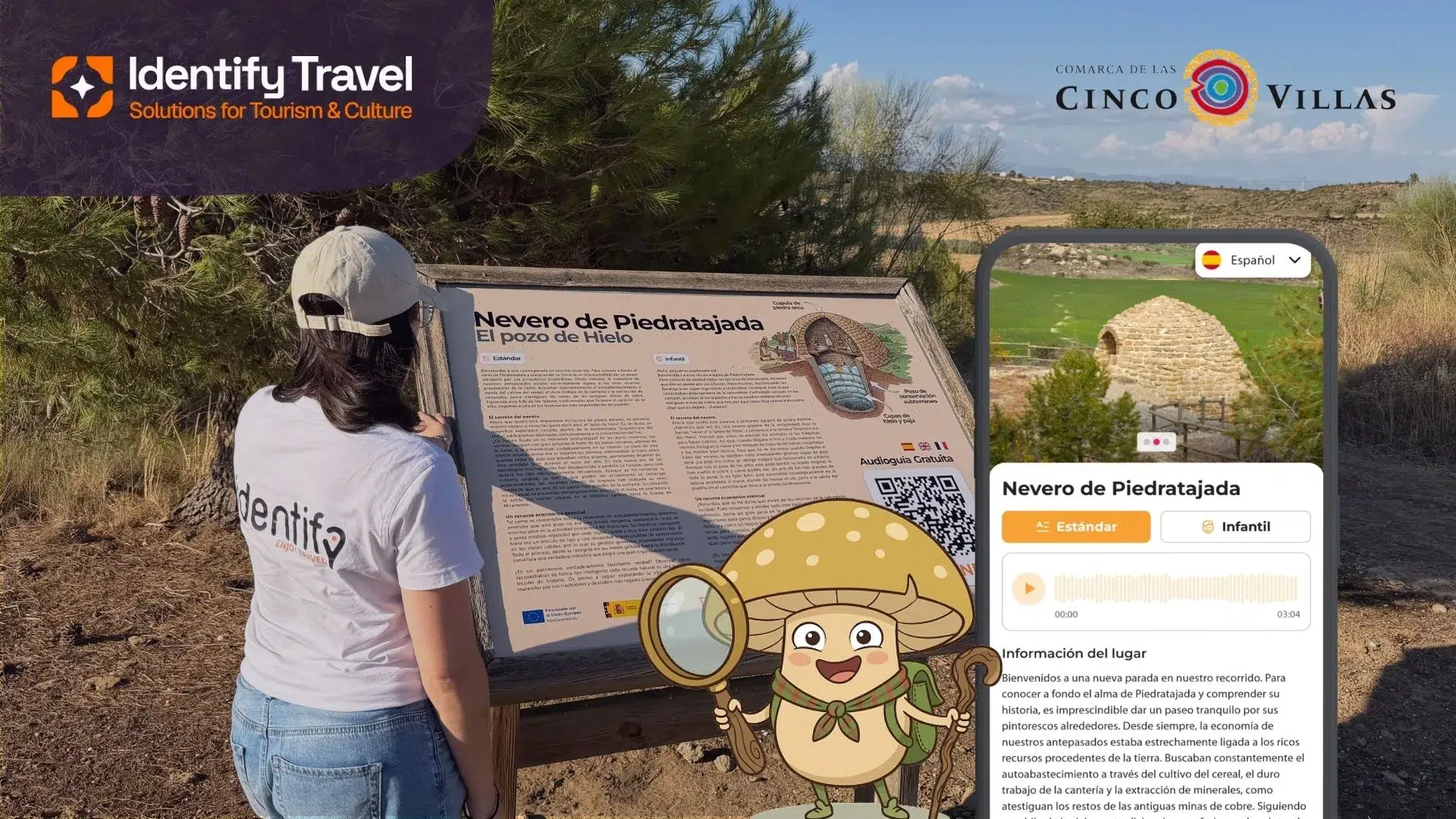
Talent and internal structure are essential to making this transformation possible. How has the Identify Travel team evolved to take on this new stage, and where would you like to take the company over the coming years?
Talent and people are fundamental to our growth. We need to bring together professionals with different areas of expertise, ranging from strategy and design to content and technological development.
We currently have a young, motivated and multidisciplinary team with the ability to take on diverse challenges, learn new tools and adapt to the needs of each project. Everything is changing very quickly, and we are the first ones who need to adapt. We are building a very solid foundation for continued growth, both in terms of our team's capabilities and the way we work.
Over the coming years, I would like to consolidate this growth by bringing in new profiles whenever the volume and nature of our projects require it, developing more projects that combine digital and in-person experiences, and expanding our international presence.
As a company, we are ambitious and eager to keep growing, but we also want to maintain close relationships with our clients, as many of them bring us new business opportunities. For me, growth is not just about becoming bigger, but also about creating higher-value projects that generate a greater impact.
You are part of a leading innovation environment such as the Tech Tourism Cluster ecosystem. What synergies do you find through collaborating within this network of traveltech companies, and how does it help you grow and position your technology against the global distribution giants?
Being part of the Tech Tourism Cluster gives us access to different perspectives, first-hand industry knowledge and the opportunity to connect with companies facing challenges similar to ours, as well as others offering complementary solutions. One of the things we value most is the opportunity to meet outstanding professionals with whom we have built relationships based on trust and collaboration.
Furthermore, this year, in 2026, Noelia joined the Cluster's board because we want to be part of its strategy, understand from the inside what we can do, where the traveltech industry is heading and contribute both ideas and solutions from our perspective. We believe having a seat on the board is a great opportunity to represent small businesses and startups in Catalonia which, like us, have knocked on many doors to keep their businesses moving forward.
Author

Member of the Research Group on Tourist Accommodation and Catering at the CETT – UB Campus. Professor of Digital Marketing. Lecturer. Member of Scientific Committees of Congresses. Foundrising, Entrepreneurship & Awards CETT Fundació – CETT. Doctor (PhD) University of Barcelona
Recent posts


16 November 2026

10 November 2026

10 November 2026
Tags
-
Interviews
Subscribe
Subscribe here and stay tunned on what's next